

Temperature Sensor – lm35
1.00 د.ك
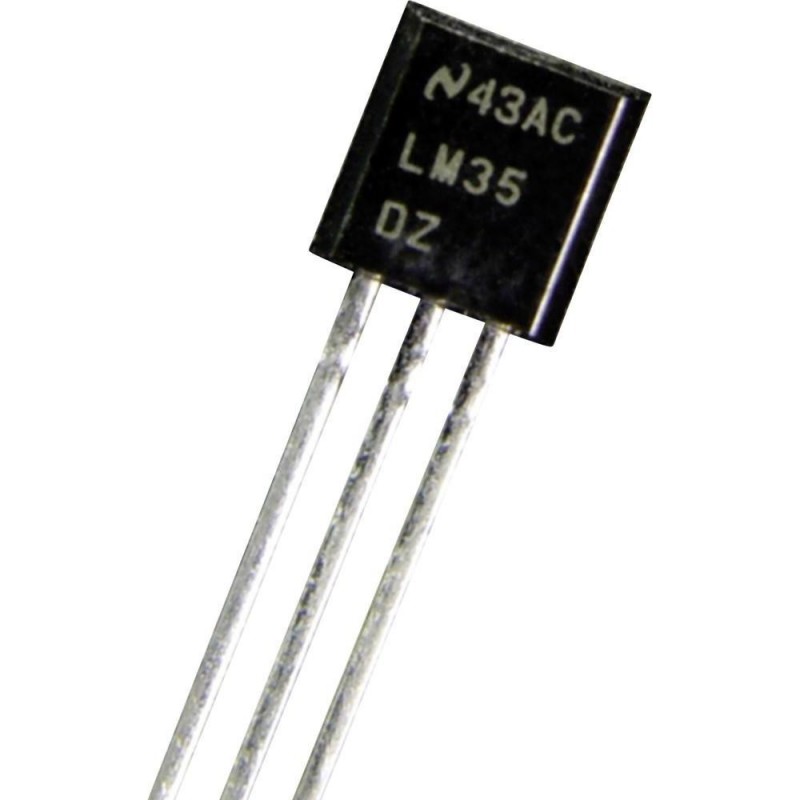
The TMP35 Temperature Sensor is an analog temperature sensing component designed for Arduino projects, robotics systems, IoT applications, and embedded electronics development. It provides reliable temperature measurement for monitoring and automation systems.
In stock


Description
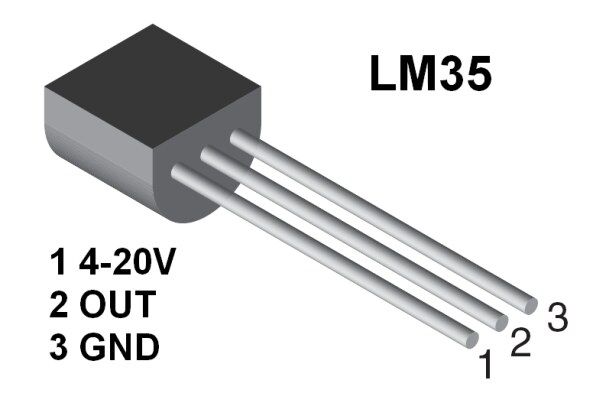
The TMP35 is a low voltage, precision centigrade temperature sensor. It provides a voltage output that is linearly proportional to the Celsius temperature. It also doesn’t require any external calibration to provide typical accuracies of ±1°C at +25°C and ±2°C over the −40°C to +125°C temperature range. We like it because it’s so easy to use: Just give the device a ground and 2.7 to 5.5 VDC and read the voltage on the Vout pin. The output voltage can be converted to temperature easily using the scale factor of 10 mV/°C.
Introduction
The TMP35 Temperature Sensor is a compact analog sensor designed for Arduino projects, embedded electronics, robotics systems, and temperature monitoring applications. This sensor measures ambient temperature and provides an analog voltage output that can be read easily by microcontrollers.
Because temperature monitoring is important in many electronics systems, the sensor helps developers create smart automation and environmental monitoring projects. In addition, its small size makes installation simple in compact circuits and prototype systems.
Many students, makers, and engineers use this sensor for educational electronics and DIY automation projects. You can also combine it with the <a href=”/product/arduino-uno-r3/”>Arduino UNO R3</a> for rapid temperature sensing applications.
Understanding This Analog Temperature Sensor
This analog sensor detects surrounding temperature and converts it into a proportional voltage signal. Microcontrollers can then process this signal to display or monitor temperature changes accurately.
The sensor is commonly used in automation systems and embedded electronics because it provides stable and reliable analog temperature readings. Furthermore, the simple output design makes interfacing easy for beginners and developers.
As a result, users can build temperature monitoring systems quickly without complicated hardware configuration.
Main Features
- Analog temperature sensing
- Compact and lightweight design
- Stable analog voltage output
- Suitable for Arduino projects
- Easy microcontroller interfacing
- Reliable temperature monitoring
- Low power operation
- Beginner-friendly sensor
- Useful for robotics applications
- Compatible with embedded electronics
- Suitable for IoT projects
- Supports automation systems
Technical Specifications
- Product Type: Temperature sensor
- Sensor Model: TMP35
- Output Type: Analog voltage
- Function: Ambient temperature measurement
- Compact sensor package
- Lightweight design
- Low power consumption
- Easy analog interfacing
- Suitable for embedded systems
Common Applications
This temperature sensor supports many monitoring and electronics applications. For example, developers use it in environmental sensing systems, robotics projects, and automation circuits.
Common applications include:
- Temperature monitoring systems
- Arduino sensor projects
- Environmental monitoring
- Robotics systems
- IoT sensing applications
- Embedded electronics projects
- Smart automation systems
- DIY electronics experiments
- Educational electronics projects
- Climate monitoring systems
- Sensor data logging
- STEM learning projects
In addition, many users combine the sensor with the <a href=”/product/oled-0-96-inch-lcd-display-module-i2c-iic-spi-serial/”>OLED Display Module</a> for real-time temperature display applications.
Why Choose This Temperature Sensor?
This analog temperature sensor provides a simple and reliable way to measure ambient temperature in electronics systems. The compact design also makes installation easier in embedded hardware and prototype circuits.
Users can create responsive monitoring systems without complicated sensor configurations. Therefore, the sensor is useful for students, makers, robotics developers, and embedded electronics engineers.
Another advantage is its compatibility with many development boards and analog input systems. Because of this, it works well in educational electronics, automation projects, and environmental monitoring applications.
Compatibility
Compatible with:
- Arduino UNO
- Arduino Nano
- ESP32 Development Board
- Raspberry Pi
- Embedded electronics systems
- Robotics platforms
- IoT development systems
- Automation projects
- DIY electronics projects
- Educational electronics kits
The sensor can also be combined with the <a href=”/product/breadboard-test-circuit-mb-102/”>Breadboard MB-102</a> and <a href=”/product/jumper-wires/”>Jumper Wires Kit</a> for rapid prototyping and testing.
Tutorial Section
Getting started is simple and beginner-friendly. First, connect the sensor to your microcontroller using the analog output pin. After that, upload code to read the voltage values and convert them into temperature readings.
For example, you can use this sensor to:
- Build temperature monitoring systems
- Measure environmental conditions
- Create IoT sensing projects
- Monitor electronic equipment temperature
- Develop smart automation systems
- Display live temperature data
You can also combine the sensor with the <a href=”/product/oled-0-96-inch-lcd-display-module-i2c-iic-spi-serial/”>OLED Display Module</a> for real-time monitoring and visualization.
Conclusion
The TMP35 Temperature Sensor is a reliable sensing solution for Arduino projects, robotics systems, IoT devices, and embedded electronics applications. It provides stable analog temperature measurements in a compact and beginner-friendly design.
In addition, its easy interfacing, low power operation, and broad compatibility make it a practical choice for students, makers, engineers, and smart electronics developers.
Related products
-
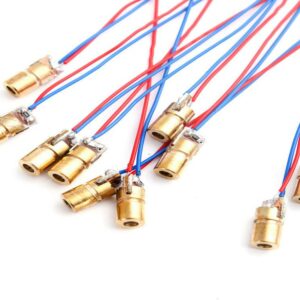
5V laser head laser diode
1.00 د.ك Add to cart -
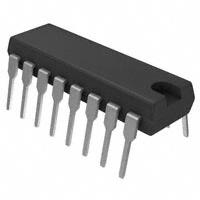
CD4017BE IC
0.75 د.ك Add to cart -
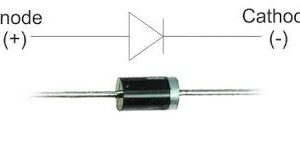
Diode many Variations
Price range: 0.15 د.ك through 0.30 د.ك Select options This product has multiple variants. The options may be chosen on the product page -
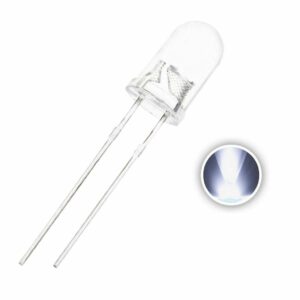
LED 5MM
0.05 د.ك Select options This product has multiple variants. The options may be chosen on the product page
